
Skip to content

Recent Posts

  • Where Will Europe’s Vineyards Be in 2100? A New Climate Model Offers Clues
  • Wine industry’s hoped-for inheritance boom may fall short, new report finds
  • From Complexity to Clarity: A Modern Marketing Approach
  • CIVA elects new president, reignites debate on canned Alsace wine
  • Voices of Chilean Pisco

Most Used Categories

  • Sustainability (19)
  • International Analysis (13)
  • Economy (8)
  • European Union (8)
  • Dutch Design Week (5)
  • Technology Innovation (5)
  • Organic (5)
  • Circular economy (4)
  • organic market (3)
  • Frameworks (3)
Skip to content
FlyingWineWriter

Flying Wine Writer

Discovering the Wine World through the Eyes of the Next Generation

Contact
  • Wine & Gastronomy
  • Studies
    • Artificial Intelligence
    • Biodiversity
    • Circular Economy
    • International Business Development
    • FlyingWineWriter Structured Wine Tasting Method
      Método Estructurado de Cata FlyingWineWriter
  • Mission
  • About us
    • Strategy service
    • Privacy Policy
    • Contact us
  • Strategy: Business development for sustainable companies
    • Sponsor Advertisement
    • Submit a Project Proposal
  • Home
  • Uncategorized
  • Where Will Europe’s Vineyards Be in 2100? A New Climate Model Offers Clues
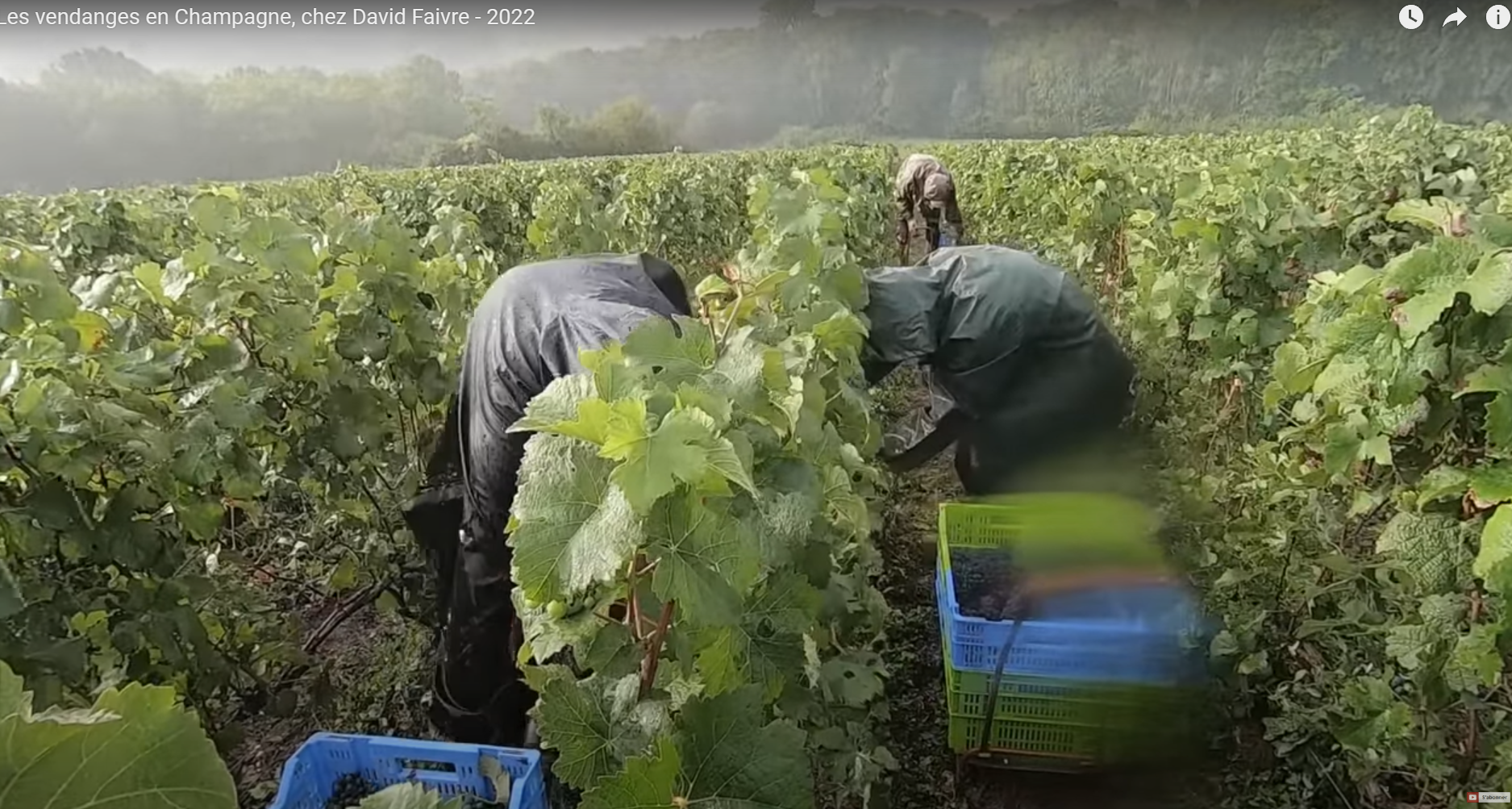
harvest 2023 Champagne Deutz

Where Will Europe’s Vineyards Be in 2100? A New Climate Model Offers Clues

Paula RookAugust 20, 2026August 20, 2026

A new peer-reviewed study takes a fresh approach to a question the wine trade has been asking with growing urgency: as the climate shifts, where will European viticulture actually be viable in the decades ahead?

Rather than relying solely on temperature projections, the researchers use what is known as a climate analogues method — essentially identifying present-day locations whose climate resembles what a given vineyard region is expected to experience in future. Crucially, they’ve adapted this approach specifically for viticulture, factoring in bioclimatic indices tied to vine growth and disease pressure, correcting for the fine-grained topography that shapes individual vineyard sites, and accounting for overlap between different climate indicators.
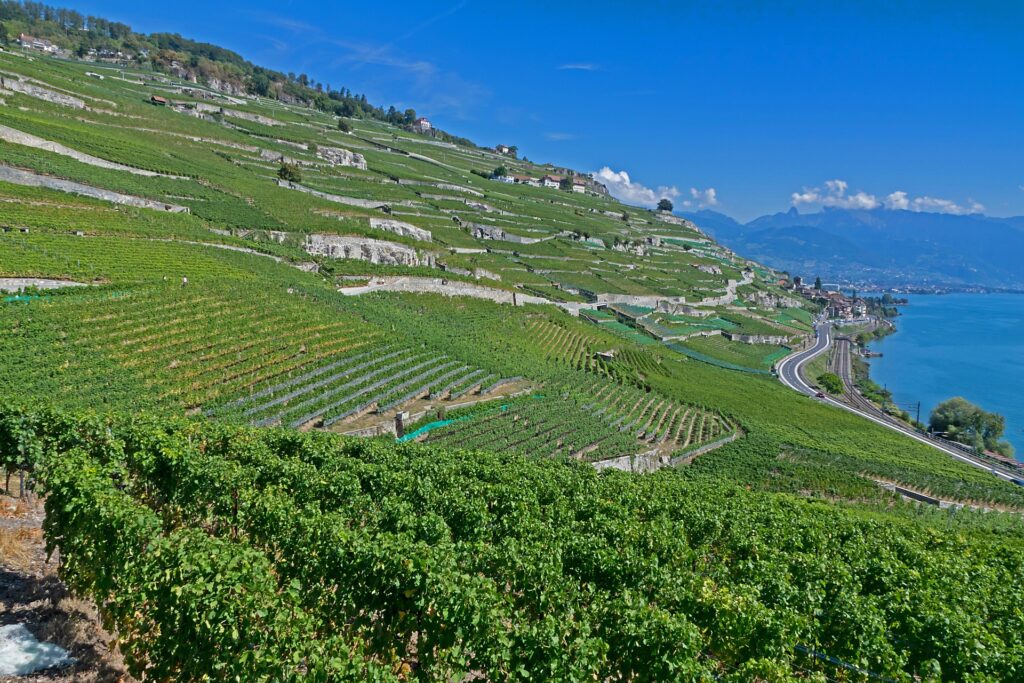
Adege

The findings point to two distinct forces reshaping the map of European wine. Temperature-linked indices, tied to how vines grow, are driving shifts north and south, as well as to higher elevations — the familiar story of warmer regions pushing viticulture toward cooler ground. But indices linked to disease risk, driven by humidity and precipitation, are causing a different kind of movement: notable shifts from east to west.

Perhaps the most striking implication concerns northern Europe. By the end of this century, parts of the region could become thermally suitable for grape-growing for the first time. Yet that same window of opportunity comes with a catch: rising humidity in these areas could intensify disease pressure, potentially undermining the long-term viability of vineyards planted there.

For an industry already grappling with early harvests, shifting appellations, and mounting pressure on traditional growing regions, this research offers a more nuanced picture than temperature maps alone — one where suitability isn’t just about warmth, but about the delicate balance between growing conditions and disease risk.

Source: Science Direct
climate change, Future of Wine, Viticulture

Post navigation

Previous: Wine industry’s hoped-for inheritance boom may fall short, new report finds

Leave a Reply Cancel reply

Your email address will not be published. Required fields are marked *

Wine Tasting Course

  • Module 1 — Foundations
  • Module 2 — Appearance
  • Module 3 — Nose
  • Module 4 — Palate
  • Module 5 — Quality
  • Module 6 — Tasting Note
Flying Wine Writer — Method

E-Book Sustainable Wine World

https://flyingwinewriter.com/wp-content/uploads/2021/07/de-rand-3.mp4
@flyingwinewriter

An Australian researcher has introduced the Cypriot white wine grape known as Xynisteri to Australia for the first time. It is reducing growers' water consumption by 75 per cent and withstanding heatwave events above 45 degrees Celsius. #winefacts newgrapes flyingwinewriter

♬ Countless - Official Sound Studio

Regenerative Farming Practices

Gratis Live Online Basis Cursus: Fundamentals of organic farming & advisory work

Copyright All Rights Reserved | Theme: BlockWP by Candid Themes.